
From social media buzz to nutrition experts, seed oils have become one of the most debated ingredients in our kitchens. Here’s what you need to know.
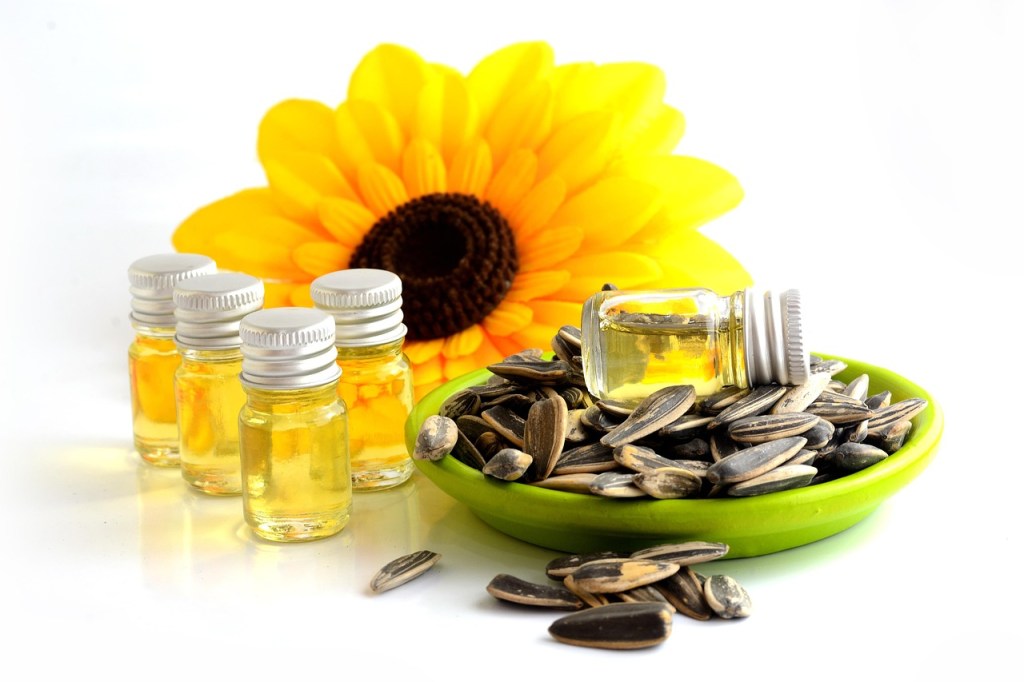
From TikTok trends to dinner table discussions, seed oils are suddenly everywhere. Once praised as a kitchen staple, oils like sunflower, rapeseed, and soybean are now being branded online as “toxic” and “inflammatory.” But do these claims hold up?
What exactly are seed Oils?
Seed oils are extracted from plants such as sunflower, rapeseed (canola), soybean, safflower, and corn. They’re widely used in cooking, frying, and processed foods because they’re affordable and versatile. According to the Cleveland Clinic, much of the backlash stems not from the oils themselves, but from their frequent use in highly processed foods — the real culprit in many unhealthy diet.
The Controversy
Critics point to seed oils’ high levels of omega-6 fatty acids, particularly linoleic acid. Wellness influencers argue that too much omega-6 may drive inflammation and chronic illness. On TikTok, hashtags like #seedoilfree have fuelled the trend, with users binning bottles of vegetable oil in favour of avocado or olive oil.
But nutrition scientists are pushing back. A feature in Vogue noted that while seed oils are being cast as the internet’s latest “villain ingredient,” the evidence linking them to harm is weak at best.
What Research Shows
Recent studies suggest seed oils could actually have the opposite effect of what critics claim. A 2025 study analysing blood markers in nearly 1,900 people found higher levels of linoleic acid were linked to lower inflammation and improved heart health outcomes (ScienceDaily).
Experts at Johns Hopkins and Stanford have echoed this, stressing that replacing saturated fats like butter or lard with unsaturated oils, including seed oils, is associated with better cardiovascular health.
Seed oils: Quick Facts
What They Are: Oils made from seeds like sunflower, rapeseed (canola), soybean, safflower, and corn.
Why the Concern: Critics say they’re high in omega-6 fats, which may cause inflammation.
Real Risk: Often found in ultra-processed foods; health concerns stem more from the overall diet than the oils themselves.
Best Advice: Use in moderation, avoid repeatedly reheating oils, and balance with omega-3 sources like fish, chia, or flax.
Bottom Line
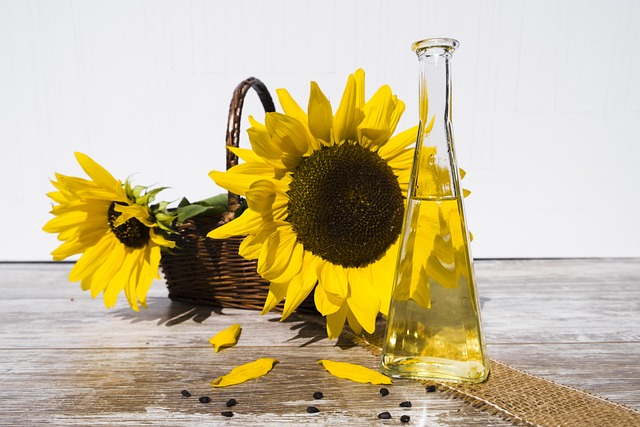
Seed oils aren’t the dietary villain some corners of the internet make them out to be. Health experts say that, in moderation, they can be part of a balanced diet — and may even help reduce risk of heart disease when used instead of saturated fats.
So while TikTok may be ditching bottles of canola, the real focus should be on limiting ultra-processed foods and embracing variety in your diet.
 This Feels Timely
Leave a comment